
Building Mental Resilience: A Daily Practice
Practical strategies for developing mental strength and psychological stability through daily practices.
Mental Resilience and Well-being
Mental resilience—the capacity to navigate challenges, maintain focus, and recover from difficulty—is not an innate trait. It's a skill developed through consistent practice and intentional effort. Understanding and building mental resilience directly impacts all dimensions of well-being.
This article presents a structured approach to developing mental strength through daily practices that compound over time. Unlike dramatic interventions, these consistent small actions create profound psychological shifts.
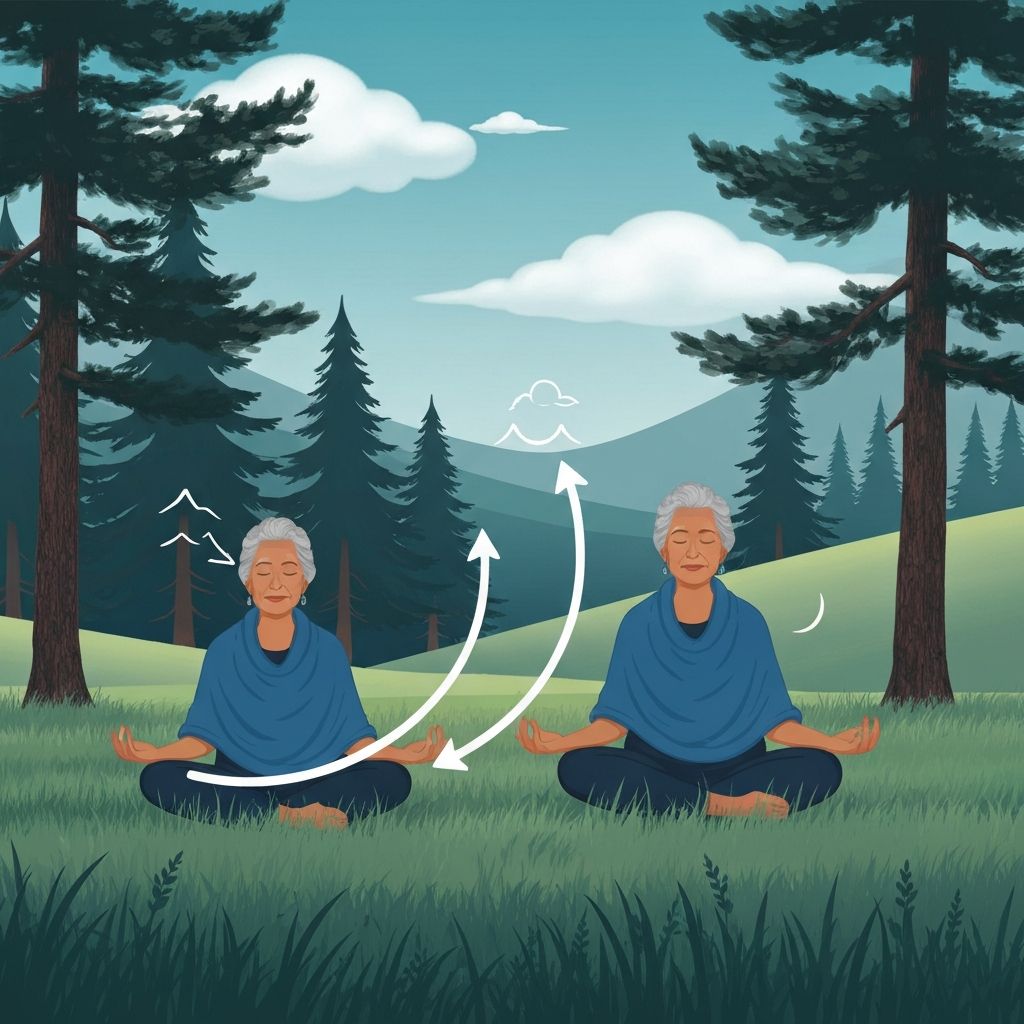
Understanding Psychological Resilience
Resilience is not the absence of stress or difficulty—it's the capacity to move through challenges effectively. Resilient individuals don't avoid problems; they meet them with clarity, develop adaptive responses, and integrate the experience into greater wisdom.
Components of Mental Resilience
Several psychological dimensions contribute to overall resilience:
Core Resilience Components
- Emotional awareness: Understanding and naming your emotional states
- Self-efficacy: Belief in your capacity to influence outcomes
- Adaptability: Flexibility in thinking and approach
- Purpose orientation: Connection to meaningful goals and values
- Social connection: Healthy relationships and support systems
- Stress management: Effective practices for processing difficult emotions
Rather than developing these as separate skills, daily practices integrate them, creating comprehensive resilience that supports well-being across life domains.
A Step-by-Step Guide to Daily Resilience Practice
Building mental resilience follows a systematic progression. These steps build upon each other, creating an integrated resilience practice.
Morning Intention Setting
Begin each day by identifying your primary intention—a clear statement of what matters most for that day. This need not be ambitious; it can be as simple as "maintain presence" or "approach challenges with curiosity." This practice activates purpose orientation and provides mental direction.
Mindfulness Practice
Allocate 5-10 minutes to mindfulness—observing your breath and thoughts without judgment. This develops emotional awareness and creates psychological distance from reactive patterns. Regular practice rewires your nervous system toward calm responsiveness.
Physical Movement
Engage your body through movement—exercise, stretching, or even brief walks. Physical activity processes stress biochemically while reinforcing the mind-body connection. Movement builds self-efficacy through tangible accomplishment.
Meaning-Making Through Reflection
Spend time journaling or reflecting on your experiences. Write about challenges, what you learned, or what you appreciate. This practice develops meaning-making capacity—the ability to extract wisdom from difficulty rather than being overwhelmed by it.
Connection and Support
Consciously engage with people who matter to you. This can be brief—a meaningful conversation, shared activity, or even expressing appreciation. Social connection is fundamental to resilience and well-being.
Evening Integration
End your day with reflection on what you learned, what challenged you, and what you're grateful for. This practice consolidates learning and prepares your mind for restorative sleep.
Building Emotional Awareness
Resilience begins with emotional awareness—understanding what you're feeling and why. Many people operate on autopilot emotionally, reacting to feelings without understanding them. Building awareness creates choice.
Developing Emotional Literacy
Emotions contain information about your needs, values, and boundaries. Rather than pushing feelings away or being overwhelmed by them, resilient individuals can name emotions with precision and extract their message.
Practice regularly identifying your emotional state with specific language. Rather than "I feel bad," try "I feel frustrated about my progress" or "I'm anxious about tomorrow's challenge." Precision reveals the actual issue and suggests appropriate response.
Common Emotional States and Their Signals
- Frustration: Something is blocking your progress or values
- Anxiety: Uncertainty about future outcomes requires attention
- Sadness: Loss or disappointment deserves acknowledgment
- Anger: Boundary violation or injustice needs addressing
- Fear: Genuine danger or challenge requires strategic response
Stress Management and Processing
Stress is inevitable, but ineffectively processed stress accumulates, reducing resilience. Effective stress management involves recognizing stress early and employing techniques that process it rather than suppress it.
Active Stress Processing
Rather than distraction or suppression, resilience involves actively engaging with stressful situations. This might mean addressing the problem directly, expressing the emotion through movement, or discussing the situation with someone trusted.
Physiological Stress Relief
Your nervous system requires techniques to shift from stress activation to rest states. Practices that engage the parasympathetic nervous system include deep breathing, progressive muscle relaxation, gentle stretching, and time in nature. Regular activation of rest states prevents chronic stress accumulation.
Daily Stress Management Techniques
- Box breathing: 4-count inhale, 4-count hold, 4-count exhale
- Progressive relaxation: Systematically tensing and relaxing muscle groups
- Cold exposure: Brief exposure to cold activates resilience responses
- Movement: Dancing, stretching, or exercise processes stress biochemically
- Nature immersion: Time outside reduces stress hormones and increases perspective
Developing Self-Efficacy
Self-efficacy—belief in your capacity to accomplish things—is fundamental to resilience. People with strong self-efficacy approach challenges as opportunities rather than threats.
Building Efficacy Through Small Wins
Commit to accomplishing something every day—something that requires effort but is achievable. This builds proof that you can execute, directly strengthening self-efficacy. These need not be dramatic; consistency with small practices compounds into powerful efficacy beliefs.
Reframing Challenges
People with high resilience view challenges as opportunities to develop capability. Rather than "I can't do this," the resilient perspective is "I can't do this yet, but I can develop this skill." This growth mindset directly enhances efficacy and resilience.
Purpose and Meaning-Making
Perhaps the most powerful resilience factor is clear purpose—understanding why your challenges matter. People with strong purpose recover from difficulty faster and maintain greater well-being through challenges.
Connecting to Your Values
Identify what genuinely matters to you—not what should matter, but what actually does. When you connect your daily practices and challenges to these core values, resilience strengthens dramatically.
For example, if health is a core value, a difficult training session becomes meaningful—not just physical effort, but expression of your values. This perspective shift transforms experience from burden to purpose-aligned action.
Extracting Meaning from Difficulty
Resilient individuals don't just survive challenges—they extract wisdom from them. Regularly asking "What did I learn?" or "How am I stronger for this?" transforms difficulty into growth. This practice, sustained over time, creates deep resilience.
Social Connection and Support
Research consistently shows that strong relationships are perhaps the most reliable predictor of resilience and well-being. Humans are fundamentally social, and isolation undermines psychological strength.
Cultivating Meaningful Connection
Rather than surface connections, resilience is supported by relationships where you can be genuine. Identify people you can be vulnerable with, who understand your challenges and support your growth. These connections might be fewer, but they're deeper and more sustaining.
Regularly engage with your support network—not waiting until crisis, but maintaining connection through daily or weekly contact. These relationships become your foundation during difficult periods.
Long-Term Resilience Building
Mental resilience is not built overnight. It develops through consistent daily practice that compounds over weeks and months. The practices outlined—intention setting, mindfulness, movement, reflection, connection—seem simple because they are. Their power lies in consistent application.
As you implement these practices, track your experience. You'll notice your stress responses becoming less reactive, your emotional awareness expanding, and your capacity to navigate challenges strengthening. This evidence reinforces commitment to the practices themselves.
Begin today—identify one step you'll implement. Tomorrow, add another. Within weeks, you'll notice these practices becoming natural, your resilience deepening, and your overall well-being expanding. This is the power of consistent psychological practice.
The materials on this site are for informational purposes only. They do not constitute individual recommendations or medical advice. Approaches to well-being vary greatly in everyday life, and the information provided here does not substitute for personal decisions or professional consultation.